
Training Safety
Last revised: 22 August 2026
1. Introduction
Your safety is paramount. GetTriReady is a training planning tool - it generates structured plans and guidance, but it cannot assess your individual health, environment, or risk in real time. The guidance below helps you train as safely as possible, but you remain responsible for your own safety at all times.
2. General Training Safety
Build training volume and intensity gradually to reduce the risk of injury. Always warm up before hard efforts and cool down afterwards. Listen to your body: unusual pain, dizziness, chest tightness, or extreme fatigue are signals to stop and seek advice. Keep yourself hydrated and fuelled, and never train through illness.
3. Swimming Safety
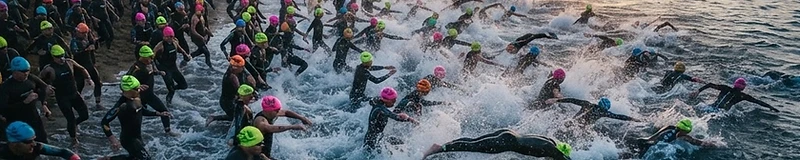
Open-water swimming carries specific risks. Never swim alone - always use a supervised venue or a recognised group, and use a brightly coloured swim cap and tow float so you remain visible to other water users. Check water temperature, depth, currents and water quality before entering. In cold water, wear an appropriate wetsuit and limit your exposure. If you feel unwell, cold, or panicky, exit the water immediately.
4. Cycling Safety
Always wear a properly fitted, undamaged helmet. Follow the Highway Code, ride predictably, and signal your intentions clearly. Ensure your bike is roadworthy - check brakes, tyres and lights before every ride. Be visible: use lights and high-visibility clothing in low light. Avoid using headphones that prevent you hearing traffic, and adjust your effort for weather, road surface and traffic conditions.
5. Running Safety
Run facing oncoming traffic where there is no pavement, and use lights or reflective gear in low light. Choose well-lit, familiar routes when running alone, particularly early or late in the day. Vary your surfaces to reduce repetitive strain, and replace worn-out running shoes regularly.
6. Heat, Cold and Hydration
In hot weather, train during cooler parts of the day, wear sun protection, and drink to thirst with appropriate fluids and electrolytes. In cold weather, dress in moisture-wicking layers and protect extremities. The nutrition and fueling targets in your plan are guidance - adjust them to the conditions and how you feel.
7. Injuries and When to Stop
Stop training immediately if you experience sharp or worsening pain, swelling, dizziness, chest pain, shortness of breath beyond the expected effort, or numbness. Seek advice from a qualified professional - such as a physiotherapist or doctor - before returning to training. Do not attempt to "train through" an injury based on a plan generated by this Service.
8. Not Medical Advice
Nothing in the Service, including training plans, session descriptions and nutrition targets, is medical advice. Always consult a qualified professional (such as a doctor, physiotherapist or dietitian) before starting a training programme, making dietary changes, or returning from injury or illness.
9. Emergencies
In an emergency, stop training and seek immediate help. In the UK, dial 999 or 112 for emergency services. Carry a charged mobile phone and let someone know your route and expected return time when training alone.
10. Contact
If you have a safety concern or question about your training, please visit our Contact page or email support@gettriready.co.uk.